There are several key plants to look out for in the gorgeous June sun:
- Elder flower
- Gooseberry
- Rose
- Samphire
- Perennial Wall Rocket
- Sweet Woodruff
- Wild Marjoram
- Wild Strawberry
- Wormwood
I do love elderflowers, and try to make elderflower cordial whenever I can. It’s delicious, light, and makes a lovely refreshing drink without all the unknown additives you get in squash drinks!
See my recipe below:
Elderflower Cordial
Many also make a sparkling wine from it, but I haven’t tried that yet – as soon as I do, I’ll share it with you!
Gooseberries are meant to be ready around this time of year too! I’ve tried growing some, but none are producing any fruit for me, just very thorny plants. I really need to figure out what they need…
But I’ve heard of a few people who have stumbled across them in nature and had fun picking them. I do think they’re underappreciated – when I’ve been lucky enough to pick in a friend’s garden they’ve always been good. So good I have to fight the wasps for them.
Next on the list are the roses. They’re a tricky one to get right, and seem prone to pests and illness, but I’ve had luck this year.
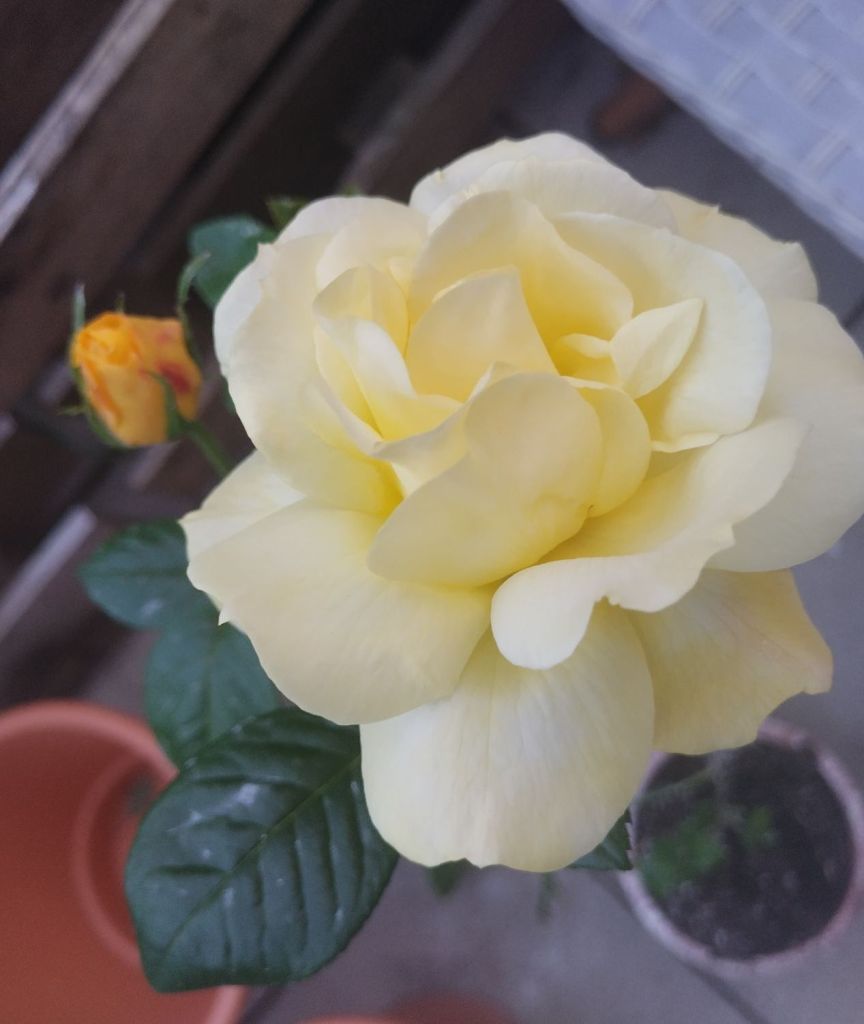
You can make a tincture from the petals that can be used to make a lovely facial cleanser, or infuse them in vodka to make an excellent addition to cocktails. Some simply make rose water, as it’s much lighter but still beneficial, and others make rose oil.
Roses are nutrient-rich, immune-boosting and anti-inflammatory, so they’re always worth picking.
Marsh Samphire is the next plant I really want to find, but I’m a little wary. I grew up near the coast and used to pick it all the time when I was bored, but now I distrust the quality of all things along the coastline thanks to the water companies. They dump so much waste and have ruined the British waterways to such a degree that I don’t dare pick samphire, or seaweed, or even go fishing. It’s sad times really. If you’re somewhere with clean water then I envy you.
Marsh Samphire is rich in vitamins and minerals, aid in digestion, boosts the immune system, and reduces inflammation. It’s a brilliant addition to a meal when you can.
Wall Rocket is often mistaken for a weed, but it’s a good plant to pick if you can. It’s often mistaken for dandelion as the leaves look rather similar, but it’s an effective micro-green in it’s own right. I spotted this post the other day and thought it a worthwhile read for anyone curious about Wall Rocket:
Perennial wall rocket | A Food Forest in your Garden
Sweet Woodruff is one I keep spotting recently but never have the time or bags/containers for picking it. It’s related to cleavers, and looks a bit like them with the way the leaves are, but it smells like a blend of vanilla and hay. It’s really lovely. It’s another one to infuse in vodka if you can.
This site holds a lot more info than I do:
Herb to Know: Sweet Woodruff – Mother Earth Living https://share.google/GvY9AfrIAEiSXn5wl
I’m going to study it more and hope to post about it in the future!
Wild Marjoram is a brilliant plant that I really want to look into more. It’s meant to have really potent health benefits, especially for women and especially for the cardiovascular system.
It’s closely related to Oregano, so if you want to find it just look for that! The two are very similar, and used in the same way in cooking.
This site has some really interesting info for anyone interested in looking into it:
Marjoram Essential Oil Benefits, Uses, Side Effects and More – Dr. Axe https://share.google/lZz7ogWbA94LWMoJy
Wild Strawberries, I think most of us know already, are smaller, more deliciously packed with flavour Strawberries! They’re delicious, they’re cute, but it’s just a damned shame they’re so small. I could eat them for days.
Lastly, we have Wormwood. It’s a fascinating plant, one that shouldn’t be used in excess (it’s used in making both vermouth and absinthe). However, a little bit of Wormwood taken on a regular basis can have some… interesting…effects.
My favourite? It’s a known aphrodisiac.
It’s believed that the name comes from the Saxon words “wer” and “mod” – “man” and “courage”. It’s meant to inspire fire and enthusiasm in the soul, and a greater rigour for life. You can see why it’s commonly found in certain alcohols…
But historically, people would take it as a preventative measure to ward off all ills. It wasn’t just that people’s grandparents wanted to feel randy at 90 years of age, sometimes they just wanted to keep away whatever bugs the family’s snot-nosed kids dragged in that day.
It was also great for clearing hair and clothes of lice – they hate it! It’s meant to be a very potent cleanser.
But, with all that being said, Wormwood is toxic if consumed in excess. Naturally. It makes sense if it’s a cleanser and something found in some of our strongest drinks.
So, what’s the golden rule?
Don’t be an idiot. Start very small, study what you want to pick before you pick it, and if you feel ill go to the damned doctor!

